

A metal roof for homes is a roofing system made from metal panels or shingles designed to deliver superior durability, fire resistance, and energy efficiency compared to traditional asphalt shingles. The industry term is “metal roofing,” and it covers materials ranging from steel and aluminum to copper and zinc. Metal roofing is now the fastest-growing residential segment in the U.S., holding over 18% market share as of 2026. That growth reflects a real shift in how homeowners think about long-term value. If you’re weighing your next roof, this guide gives you every number, comparison, and practical insight you need.
What is a metal roof for homes?
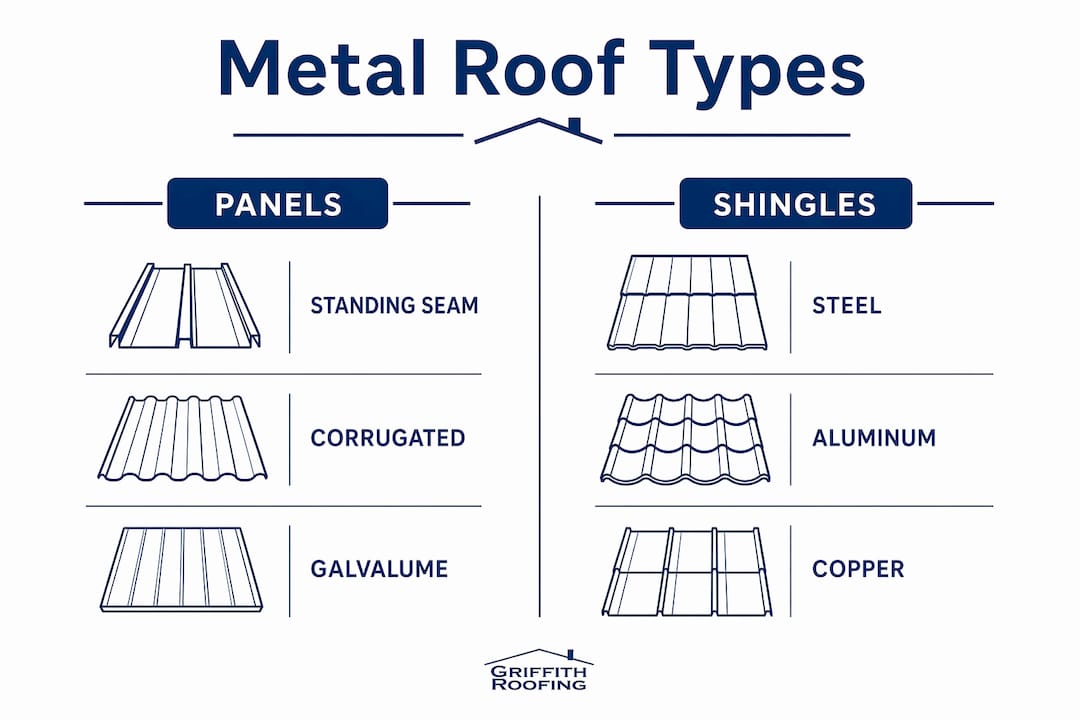
A metal roof for homes is a complete roofing system where the outer layer consists of metal panels or shingles rather than asphalt, wood, or tile. The four most common metals used in residential roofing are steel, aluminum, copper, and zinc. Each material behaves differently depending on your climate, budget, and aesthetic goals.
Steel is the most widely used option because it balances cost and strength. Galvalume steel, which is steel coated with aluminum and zinc alloy, resists corrosion better than plain steel and is the standard choice across most of the country. Aluminum is lighter and naturally corrosion-resistant, making it a strong candidate for coastal homes. Copper and zinc sit at the premium end of the market, prized for their longevity and distinctive appearance.
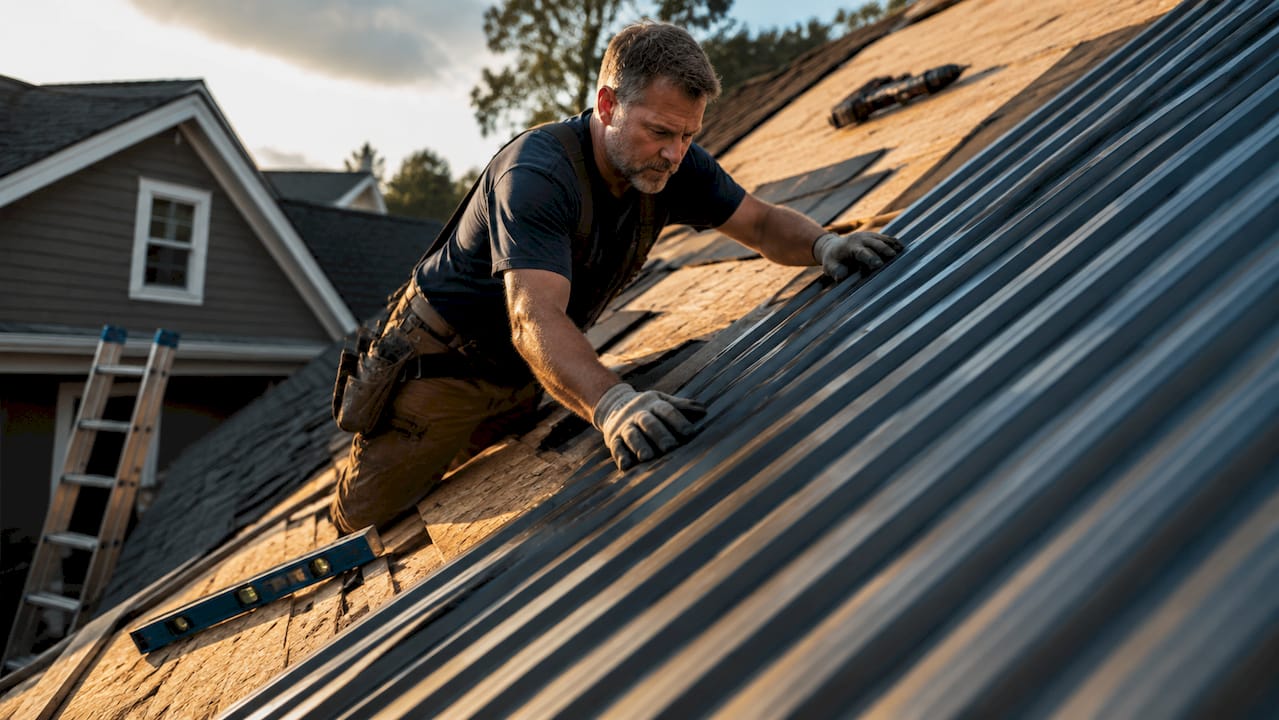
Metal roofing systems come in three main styles: standing seam panels, corrugated metal panels, and metal shingles. Standing seam is the most recognized residential style, featuring raised seams that interlock and hide the fasteners beneath the surface. Corrugated metal uses a wavy profile and exposed screws. Metal shingles mimic the look of traditional asphalt, wood shake, or slate while delivering metal’s performance advantages.
What are the main types of metal roofs?
The type of metal roof you choose affects cost, lifespan, appearance, and how well it holds up in your specific climate. Here is a direct comparison of the most common residential options.
| Type | Material | Cost Per Sq. Ft. | Lifespan | Best For |
|---|---|---|---|---|
| Standing Seam | Steel, Aluminum | $10–$18 | 50–70 years | Modern homes, premium builds |
| Corrugated Metal | Steel, Galvalume | $7–$12 | 40–60 years | Budget-conscious, rural homes |
| Metal Shingles | Steel, Aluminum, Copper | $8–$15 | 40–70 years | Traditional aesthetics |
| Copper Panels | Copper | $20–$40 | 70+ years | Historic, luxury homes |
| Zinc Panels | Zinc | $18–$35 | 60–100 years | Architectural, premium builds |
Standing seam panels with concealed fasteners offer the best leak resistance of any residential metal system. The fasteners never contact the weather, so there is no expansion-and-contraction wear on the screw holes over time.
Steel in coastal climates corrodes unless it carries a specialized coating. Aluminum and copper are the preferred materials for homes within a few miles of saltwater. If you live in the Dallas-Fort Worth area, standard Galvalume steel performs well given the inland climate.
Metal shingles are worth serious consideration if you want the look of slate or wood shake without the weight or maintenance demands. They install over existing decking and pair well with traditional architecture. You can explore stone-coated steel shingles as a specific variant that adds a granular texture for even more visual depth.
Pro Tip: If you are comparing standing seam to corrugated metal on price alone, factor in the long-term leak risk of exposed screws. A corrugated roof installed at $7 per square foot can cost more over 20 years if fasteners fail and water infiltrates the deck.
How long do metal roofs last?
Metal roofs last 40–70 years, compared to asphalt shingles that typically need replacement every 15–30 years. That difference means a homeowner who installs a metal roof at age 40 may never need to replace it again. That is a meaningful financial and practical advantage.
The biggest factor separating a 40-year metal roof from a 70-year one is the fastener system. Exposed screws expand and contract with temperature changes, gradually enlarging the holes they sit in and creating leak points. Standing seam systems with concealed fasteners eliminate this failure mode entirely.
Environmental conditions also shape lifespan significantly. Coastal salt air attacks uncoated steel within years. High-UV climates fade paint finishes faster, which can accelerate surface degradation if the coating is not rated for solar exposure. In Texas, heat cycling is the primary stress factor, making a quality Kynar 500 or Hylar 5000 paint finish worth the upgrade.
Pro Tip: Ask your contractor specifically about the paint system on any steel panel. A standard polyester coating lasts roughly 10 years before fading. A PVDF coating like Kynar 500 holds color and protects the metal for 30 or more years.
What does a metal roof cost to install?
The average full-home metal roof installation costs $46,233 as of 2026. That number covers a typical single-family home and includes materials, labor, and tear-off of the existing roof. The range is wide because material choice, roof complexity, and regional labor rates all pull the final number in different directions.
Standing seam panels run $10–$18 per square foot installed. Corrugated metal comes in lower at $7–$12 per square foot. Those figures do not include tear-off, which adds $1–$5 per square foot depending on how many existing layers need removal.
Several factors push costs up or down:
- Roof pitch and complexity. Steep roofs with multiple valleys, dormers, or hips require more labor and waste more material.
- Material grade. Thicker gauge steel and premium coatings cost more upfront but reduce long-term maintenance.
- Tear-off requirements. Most jurisdictions allow one layer of roofing over existing shingles, but two layers typically require full removal.
- Geographic labor rates. Labor in the Dallas-Fort Worth market runs competitive compared to coastal metros.
- Underlayment selection. High-temperature synthetic underlayment costs more than felt but performs better under metal panels.
The return on investment case is strong for long-term owners. Metal roofs can return up to 50% of the project cost through longevity, energy savings, and buyer perception. That figure comes from the Journal of Light Construction’s 2025 report. Metal roofs also increase resale value 60%–70% more than standard shingle replacements in buyer perception studies. For homeowners planning to stay put, the math favors metal clearly.
What is the metal roof installation process?
A professional metal roof installation follows a defined sequence. Understanding each step helps you set realistic expectations for timeline and project scope.
- Pre-installation inspection. The contractor assesses the existing roof deck for rot, soft spots, and structural issues. Any damaged decking gets replaced before new materials go down.
- Tear-off (if required). Old shingles are removed and the deck is cleaned. Some installations go over existing shingles, but this limits your ability to inspect the deck.
- Underlayment installation. A high-temperature synthetic underlayment is rolled across the deck. This layer acts as a secondary moisture barrier and reduces noise transmission.
- Drip edge and flashing. Metal drip edge is secured along eaves and rakes. Flashing is installed around chimneys, skylights, and pipe penetrations before panels go on.
- Panel or shingle installation. Panels are cut to length and attached according to the manufacturer’s specifications. Standing seam panels clip into place with concealed clips. Corrugated panels use exposed screws with neoprene washers.
- Ridge cap and trim. Ridge caps seal the peak of the roof. Trim pieces finish the edges and transitions.
- Final inspection. The contractor walks the roof to verify seams, fasteners, and flashing are properly seated.
Professional installation is not optional if you want the manufacturer’s warranty to remain valid. Most metal roofing warranties are voided by DIY installation or work performed by uncertified contractors. Post-installation, plan to clear debris from valleys twice a year and have a professional inspect fasteners and sealants every five years.
What are the benefits and drawbacks of metal roofs?
Metal roofing delivers a strong list of advantages, but it is not the right choice for every homeowner or every budget. Here is an honest breakdown.
Advantages:
- Fire resistance. Metal roofs carry a Class A fire rating, the highest available. This matters most in wildfire-prone regions of Texas and the Southwest.
- Weather resilience. Metal excels in extreme weather, including hail, hurricane-force winds, and heavy snow loads. Asphalt shingles bruise and crack under the same conditions.
- Energy efficiency. Cool metal roofs reflect solar radiation and can reduce cooling costs by up to 40%. In a Texas summer, that reduction shows up directly on your utility bill.
- Low maintenance. Metal does not rot, crack, or shed granules. Routine maintenance is limited to debris clearing and periodic fastener checks.
- Longevity. A properly installed metal roof outlasts two or three asphalt roofs over the same period.
Drawbacks:
- Higher upfront cost. Metal roofing costs two to three times more than asphalt shingles at installation. That gap narrows significantly over a 30-year ownership window.
- Rain noise. Metal amplifies rain sound more than asphalt. Proper attic insulation and a quality underlayment reduce this to a non-issue for most homeowners.
- Denting risk. Aluminum and thinner steel panels can dent from large hail or falling branches. Thicker gauge panels and steel alloys resist denting better.
The residential metal roofing services available today address most of these drawbacks through better materials and installation techniques. The noise concern, in particular, is largely a myth when proper underlayment is used.
Key takeaways
A metal roof is the strongest long-term roofing investment available to residential homeowners, combining a 40–70 year lifespan, Class A fire resistance, and up to 40% cooling cost reduction.
| Point | Details |
|---|---|
| Lifespan advantage | Metal roofs last 40–70 years, more than double the 15–30 year lifespan of asphalt shingles. |
| Fastener system matters | Standing seam concealed fasteners eliminate the leak risk that exposed screws create over time. |
| Cost context | Average installation runs $46,233; up to 50% ROI makes it strong value for long-term owners. |
| Material selection | Choose aluminum or copper for coastal climates; Galvalume steel performs well in inland regions like DFW. |
| Energy savings | Cool metal roofs can cut cooling costs by up to 40%, a significant benefit in hot Texas summers. |
What 22 years of roofing taught me about metal roofs
I have installed and repaired roofs across the Dallas-Fort Worth area since 2001, and the single biggest shift I have seen is how homeowners now think about metal roofing. When Griffith roofing started, metal was considered a commercial or agricultural product. Today, it is the first thing many of our residential clients ask about.
Here is what I tell them honestly: metal roofing is not a magic solution. It is a precision product that rewards good decisions and punishes shortcuts. The homeowners who regret their metal roofs almost always made one of two mistakes. They chose the cheapest corrugated option with exposed screws, or they hired a contractor who had never installed a standing seam system before. Both paths lead to leaks and frustration within a decade.
The energy savings argument is real, not marketing. We have clients in Southlake and Keller who report noticeably lower summer utility bills after switching from dark asphalt shingles to a light-colored standing seam system. The physics are straightforward. A reflective metal surface sends solar heat away from the building instead of absorbing it.
My honest recommendation: if you plan to stay in your home for more than ten years, metal roofing is worth the higher upfront cost. If you are flipping a property in under three years, the investment rarely recoups fast enough to justify the premium. Know your timeline before you commit.
— Mark Griffith
Ready to explore metal roofing for your home?
Griffith roofing has been installing and repairing residential metal roofs across the Dallas-Fort Worth Metroplex since 2001. We work with standing seam, corrugated metal, and stone-coated steel systems, and we match every homeowner to the right product for their budget, climate, and home style.
Our team handles every step from inspection through final walkthrough, and we back our work with manufacturer-backed warranties that only certified installers can offer. Whether you are replacing an aging asphalt roof or building new, Griffith roofing delivers the workmanship and guidance you need to make a confident decision. Explore our residential metal roofing solutions or visit our full residential roofing portfolio to see completed projects across DFW. Call us today for a free consultation and personalized quote.
FAQ
How long does a metal roof last on a house?
Metal roofs last 40–70 years depending on the material and fastener system used. That is more than twice the lifespan of standard asphalt shingles, which typically last 15–30 years.
Is a metal roof worth the higher cost?
For long-term homeowners, yes. Metal roofs can return up to 50% of the project cost through longevity, energy savings, and increased resale value, according to the Journal of Light Construction’s 2025 report.
What type of metal roof is best for a home?
Standing seam steel or aluminum panels are the top choice for most residential homes because concealed fasteners eliminate the primary leak risk. Aluminum or copper is preferred in coastal environments where salt air corrodes standard steel.
Does a metal roof make a house hotter or cooler?
A metal roof makes a house cooler. Cool metal roofs reflect solar radiation and can reduce cooling costs by up to 40%, which is a measurable benefit in hot climates like Texas.
Can a metal roof be installed over existing shingles?
Yes, in most cases a metal roof can be installed over one existing layer of shingles. Installing over two or more layers is not recommended because it prevents proper deck inspection and can void the manufacturer’s warranty.


