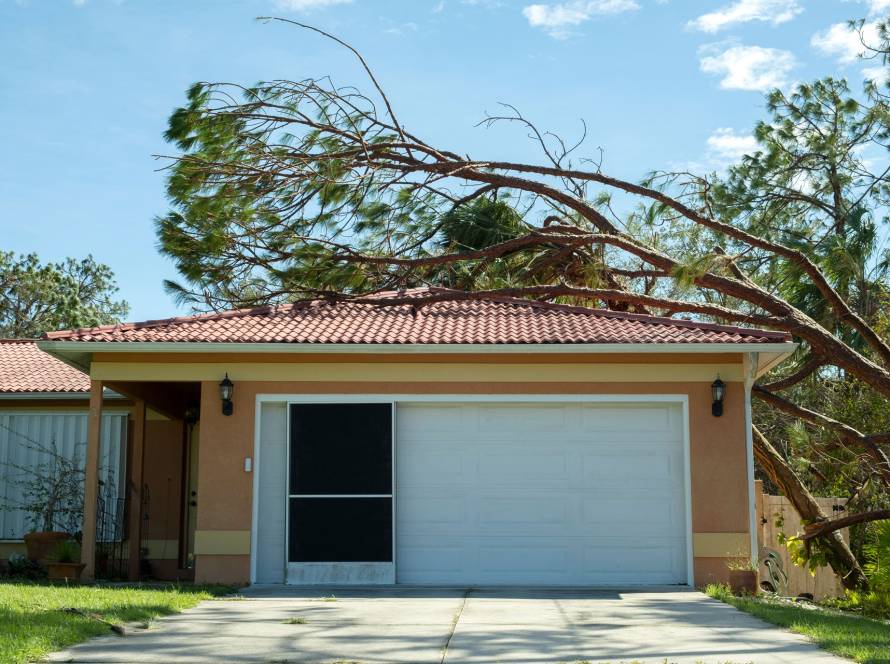
A complete roof estimate has to name exact measurements in squares, the material brand and warranty length, tear-off and disposal costs, decking allowance with unit pricing, underlayment and ice and water shield, flashing at every penetration, ventilation balance, permits, and full payment terms. If a bid skips any of these, you’re not comparing apples to apples. Ask every contractor for an itemized written estimate, get at least three, and never sign one that lumps everything into a single number.
TL;DR:
- A proper roofing estimate must include detailed measurements, specific material brands and warranties, and itemized costs for tear-off, decking, flashing, ventilation, and permits.
- Comparing bids requires normalizing for material types, accessory scope, tear-off layers, pitch multipliers, and waste factors, not just total prices.
- Confirm contractors are licensed, insured, and provide signed, itemized estimates, while avoiding pressure tactics, upfront payments, or vague scope descriptions.
- A comprehensive estimate should clearly specify scopes for flashing, ventilation, and accessories, along with realistic decking allowance units and transparent warranty terms.
- Always verify the scope and unit costs before signing, as significant bid differences often stem from material choices, scope completeness, or overlooked costs.
Table of Contents
- What Should a Roofing Estimate Checklist Include?
- How Do You Compare Multiple Roofing Estimates?
- How Do You Verify a Roofing Contractor Is Legitimate?
- Printable Roof Estimate Comparison Table
- Why Estimators Price It This Way
- Get an Itemized Estimate You Can Actually Compare
- Sources
- FAQ
What Should a Roofing Estimate Checklist Include?
Most roofing disputes trace back to one thing: a vague bid that hid the real scope of work. A proper roof estimate checklist forces every contractor to price the same job the same way, which is the only way three numbers on three pieces of paper actually mean anything next to each other.
Here’s what a bid needs, in the order estimators typically price it:
- Roof measurements. Squares (one square equals 100 square feet) drive everything downstream, and steep pitch or difficult access should bump labor pricing through a stated multiplier, not a vague “difficulty fee.”
- Material system. The bid should name the brand, the specific product line (architectural shingle, stone-coated steel panel, standing seam metal), and the manufacturer warranty term, not just “30-year shingle.”
- Tear-off and disposal. How many layers come off, what the dumpster and haul-away cost, and whether cleanup includes a magnetic nail sweep of the yard and driveway.
- Decking replacement allowance. A per-sheet or per-square-foot unit price, plus how the contractor documents and approves any rot found once the old roof comes off.
- Underlayment and ice and water shield. The material type and exactly where the ice and water barrier gets installed, typically eaves, valleys, and around penetrations.
- Flashing. Every chimney, skylight, wall transition, and pipe boot listed by name, with a note on whether old flashing gets replaced or reused.
- Ventilation. Intake and exhaust vents specified by type and location, since an unbalanced system can void a manufacturer warranty even on brand-new shingles.
- Edge metal, starter strip, ridge cap, and accessories. These get priced separately, not folded into a generic “materials” line.
- Waste factor. The overage percentage used for material ordering and how leftover material is handled or credited.
- Labor pricing. Pitch and access multipliers, plus time for fall protection and safety gear on steeper or higher roofs.
- Permits. Who pulls them, who pays the fee, and who covers a failed inspection or correction.
- Payment terms, warranty, and exclusions. A payment schedule, a workmanship warranty separate from the manufacturer’s, a contingency line for hidden damage, and a stated project timeline.
This structure lines up with what Roof Cost Data’s estimate checklist and the 12-item bidding standard from Federal Estimating both flag as the minimum for a bid that can survive scrutiny. If a contractor can’t answer a question about any single line, that’s information, too.
Pro Tip: Ask each contractor to write the decking allowance as a dollar figure per sheet, not a percentage of the total job. Percentages hide how much you’ll actually owe if they find rot.
How Do You Compare Multiple Roofing Estimates?
You can’t stack three total prices next to each other and call it a comparison. Two bids for the same house can differ by thousands of dollars simply because one contractor priced a 20-year shingle and the other priced a 50-year shingle, or one accounted for a steep-pitch labor multiplier and the other didn’t.
Normalize the numbers before you judge them:
- Match the material system and accessory list first. Only compare per-square pricing once every bid quotes the same shingle or panel line.
- Request unit prices for decking, flashing, and permits so bundled totals convert into line items you can set side by side.
- Adjust for tear-off layer count, pitch and access multipliers, and waste factor before trusting any bottom-line number.
- Build a simple scoring sheet that rates scope completeness, warranty length, permit and inspection handling, payment terms, and price, in that order.
- Send a short follow-up email asking for exact product SKUs, the warranty registration process, and how change orders get priced and approved.
A step-by-step bid comparison process can help if you want a deeper walk-through of this scoring method before you sign anything.
How Do You Verify a Roofing Contractor Is Legitimate?
Confirm the business has a physical address, carries the license your state requires, and can produce current proof of general liability and workers’ compensation insurance before a crew sets foot on your roof, and learn how to stand out with professional promotion through roofer marketing and visibility.
The FTC recommends getting at least three written estimates, insisting on a signed contract with start and completion dates plus a clear payment schedule, and never paying the full amount upfront. For certain in-home sales, you may have a right to cancel within three business days. Watch for these warning signs:
- Someone knocking on your door right after a storm with an urgent, limited-time offer.
- Refusal to put the scope of work in writing.
- Pressure to pay by cash, wire transfer, or gift card instead of check or card.
- A one-line bid with a suspiciously low total and no itemization.
Never sign over an insurance check directly to a contractor. Use milestone-based payments released as work is verified, and loop in your insurer early if you’re filing a claim. If something feels off, check your state’s contractor licensing board, your state attorney general’s consumer office, and the Better Business Bureau. Our own Texas roofing scam guide and licensing verification walk-through cover the local specifics.
Pro Tip: A legitimate contractor won’t flinch if you ask to see their certificate of insurance. If they hesitate or can’t produce one on the spot, treat that as your answer.

Printable Roof Estimate Comparison Table
Keep this next to any proposal while you’re reading it line by line.
| Line item | What to expect | Common miss | Check |
|---|---|---|---|
| Roof measurements | Squares, pitch, access notes | Rounded or estimated, not measured | ☐ |
| Material system | Brand, product line, warranty term | Generic “30-year shingle” with no brand | ☐ |
| Tear-off & disposal | Layer count, dumpster fee, cleanup | Nail sweep and cleanup left out | ☐ |
| Decking allowance | Per-sheet or per-sq-ft unit price | Vague percentage instead of a dollar rate | ☐ |
| Underlayment & ice/water shield | Material type, exact locations | Coverage area not specified | ☐ |
| Flashing | Each penetration listed by name | Reused instead of replaced, not disclosed | ☐ |
| Ventilation | Intake/exhaust balance, vent types | Only exhaust vents priced | ☐ |
| Edge & accessories | Starter, ridge cap, drip edge itemized | Bundled into “materials” | ☐ |
| Waste factor | Stated overage percentage | Not mentioned at all | ☐ |
| Permits | Who pulls, who pays, inspection allowance | Assumed included, not confirmed | ☐ |
| Payment schedule | Milestones tied to completed work | Large deposit demanded upfront | ☐ |
| Warranty | Workmanship term separate from manufacturer’s | Only manufacturer warranty mentioned | ☐ |
This table is a comparison tool, not legal advice. Ask each contractor to clarify anything unclear in writing before you sign.
Why Estimators Price It This Way
Decking allowances exist because nobody knows what’s under the shingles until tear-off starts. Unit pricing protects you from a surprise supplement that balloons the final bill, as we’ve seen play out in decking replacement cases that ran well past initial estimates. Manufacturer installation specs on flashing and ventilation aren’t bureaucratic boxes to check. Skip them, and you can void the very warranty you thought you were paying for. During an inspection, ask for photo documentation of every deck, flashing, and vent, and a written change-order policy before work starts. Griffith Roofing has documented Dallas-Fort Worth roofs this way since 2001.
— Mark Griffith
Get an Itemized Estimate You Can Actually Compare
Some roofing companies provide homeowners with a complimentary inspection followed by a written, itemized estimate with real unit costs and photo documentation, not a single rounded number scribbled on a business card.

That means when you’re holding our proposal next to two others, you’re actually able to line up decking rates, flashing scope, and warranty terms instead of guessing what’s buried inside a lump sum. Experienced estimators who have priced steep-pitch, storm-damaged, and full-tear-off jobs understand where hidden costs tend to surface. It is important to confirm that a contractor carries general liability and workers’ compensation insurance so coverage is provided while work is underway. Whether you need a roof repair, a full roof replacement, or help navigating an insurance claim after storm damage, request your complimentary inspection today and get an estimate you can put through every check on this list.
Sources
Cross-check contractor practices against the FTC’s consumer guidance, InterNACHI’s inspection standards, and estimate-normalization guidance from Roof Cost Data.
- How to prepare for weather emergencies while avoiding scams | FTC Consumer Advice
- Roofing Estimate & Quote Checklist (2026) – Roof Cost Data
- Roofing estimate checklist: 12 items every bid should include
FAQ
What Should a Roofing Estimate Include?
A complete estimate lists accurate measurements in squares, the material brand and warranty, tear-off and disposal costs, a decking allowance with unit pricing, underlayment, flashing at each penetration, ventilation, permits, and full payment terms. The FTC also recommends the estimate name a completion date and a clear price, in writing, before any work begins.
What Is the 25% Rule for Roofing?
The 25% rule is a common building code guideline stating that if a substantial portion of a roof section needs replacement, most jurisdictions require the entire roof section to be brought up to current code rather than patched. Rules vary by city and state, so confirm the exact threshold with your local building department before assuming it applies to your project.
How Much Does a 2,000 Sq Ft Shingle Roof Cost?
Total cost depends heavily on pitch, layer count, decking condition, and local material pricing, so there’s no single reliable number without a measured inspection. Griffith Roofing provides a complimentary inspection and itemized estimate for Dallas-Fort Worth homeowners so you get a price based on your actual roof rather than a rough average.
Is $30,000 Too Much for a Roof?
It depends entirely on square footage, pitch, material system, and how much decking replacement the job requires. A steep, high-pitch roof with a premium metal system and significant decking repair can legitimately land in that range, while a straightforward composition shingle job on an accessible roof typically should not, which is exactly why itemized, line-by-line bids matter more than a single bottom-line figure.