

Do you really need a roof inspection before buying a home?
Yes, and skipping it is one of the most expensive mistakes a homebuyer can make. A dedicated roof inspection before buying a home goes far beyond what a general home inspector covers. It uncovers hidden defects, estimates how many years the roof has left, and gives you documented evidence to negotiate a better deal or walk away cleanly.
A standard home inspection includes only a 10–15 minute roof check—usually from the ground or via drone—while a HAAG-certified roofing specialist spends 60–90 minutes on-site, physically walking the roof, examining the attic interior, and delivering a written report with photographs. That is a fundamentally different product.
Before closing, you should have these documents in hand:
- A written inspection report with photographs and repair or monitor recommendations
- A remaining useful life estimate for the roof
- The original installation contract and any repair invoices
- Manufacturer warranty details and transferability terms
- Attic ventilation calculations showing compliance with manufacturer specs
What does a roof inspection actually cover?
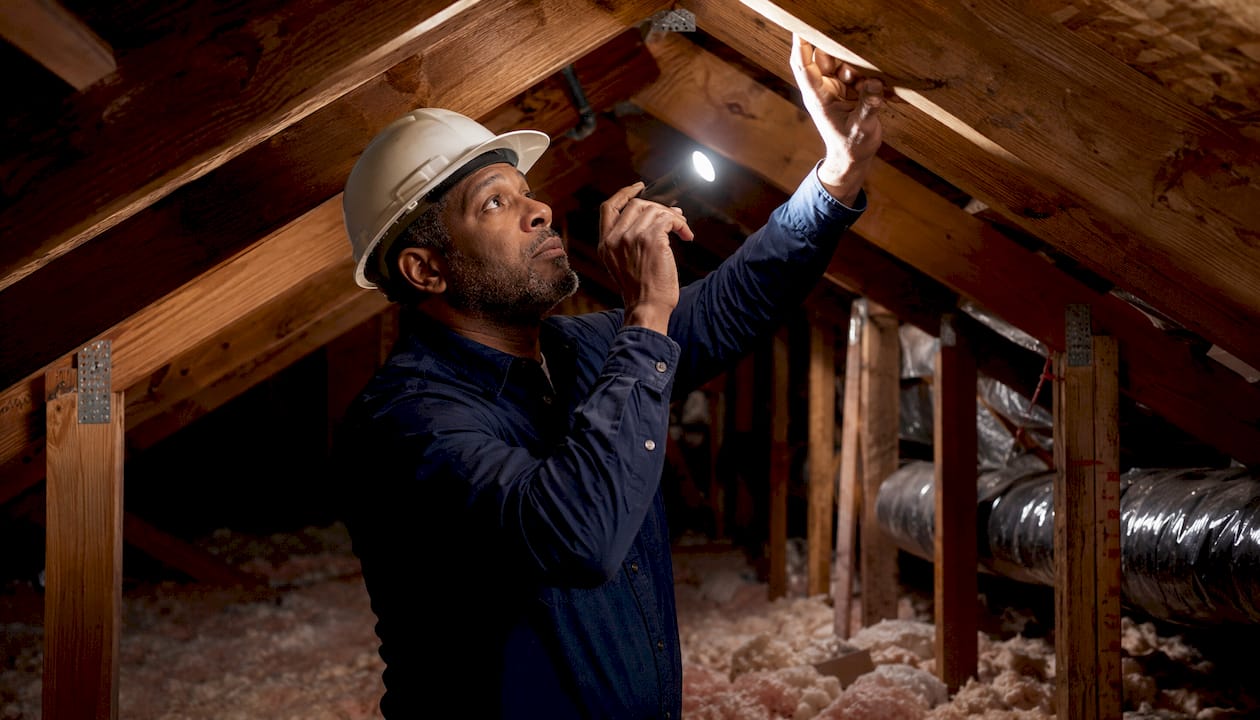
A professional pre-purchase roof assessment is thorough in a way that surprises most first-time buyers. The inspector physically walks the roof, examines every penetration point, and then moves into the attic before writing a detailed report.
Key areas covered during a full inspection:
- Shingles and field coverings: Missing, curling, cracked, or granule-depleted shingles that signal age or storm damage
- Flashing and penetrations: Metal strips around chimneys, vents, and skylights, where most leaks actually originate
- Structural decking: Sagging, soft spots, or moisture damage in the wood beneath the shingles
- Attic ventilation: Net-free vent area calculations compared against manufacturer specs
- Drainage systems: Gutters, downspouts, drip edge, and evidence of standing water
- Moisture and water intrusion: Staining, mold, or daylight penetration visible from the attic interior
A quality report applies the PCC Method (Problem, Cause, Consequence) to each finding, pairing photographic evidence with cost-to-cure estimates that your agent can use directly in negotiations.
Pro Tip: Never skip the attic portion of the inspection. Most premature roof failures trace back to ventilation issues and water intrusion that are completely invisible from the rooftop. Daylight peeking through the decking or dark moisture stains on the rafters tell a story the shingles never will.
When should you schedule the inspection?
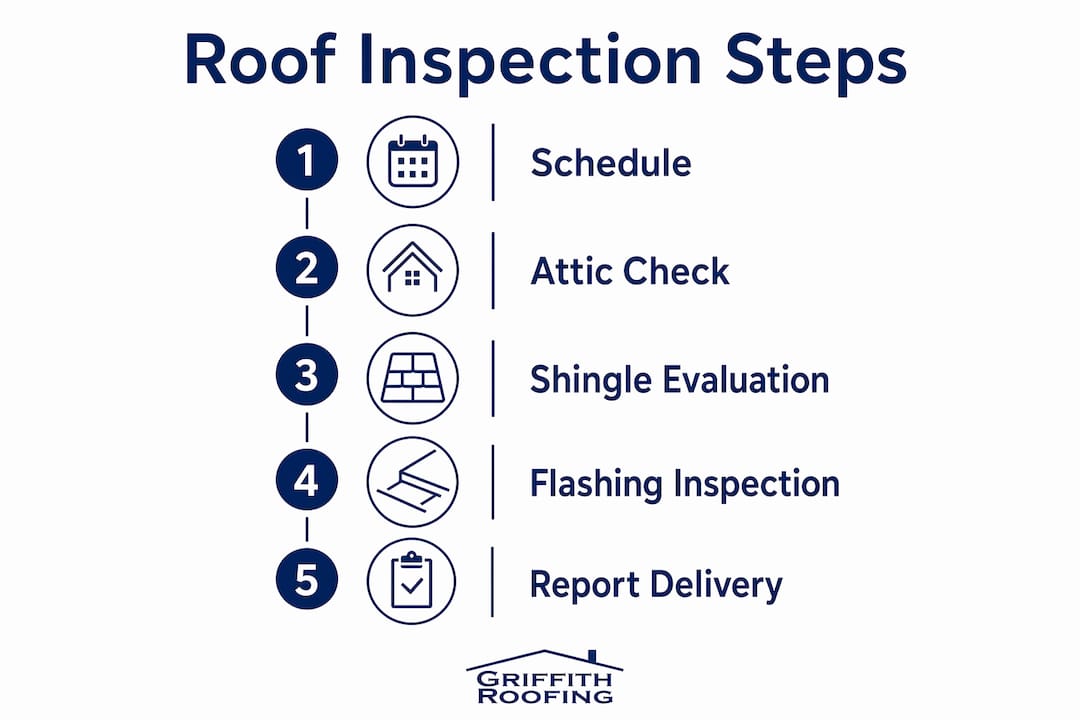
Timing the inspection correctly is what turns findings into leverage. Schedule your roof inspection immediately after offer acceptance, during the inspection contingency window, which typically runs about one to two weeks. Getting the report at least 48 hours before your contingency deadline gives you time to review findings, consult your agent, and act.
A practical timeline:
- Shortly after acceptance: Book the general home inspection
- Within a few days: Schedule the dedicated roof inspection close to the general inspection
- Within about ten days: Receive both reports and compare findings
- A few days before contingency expires: Submit repair requests, price adjustments, or walk away
Do not wait until after the appraisal. If the lender’s appraiser flags the roof at underwriting, every day of delay costs money. Sellers generally cooperate with access requests during the contingency period because refusing raises immediate red flags.
How much does a roof inspection cost?
A thorough pre-purchase roof inspection cost varies depending on roof size, number of stories, complexity, and the depth of the written report. That fee covers the on-site inspection plus attic evaluation, specialized tools, and a written report with photographs.
Factors that push the price higher:
- Larger or multi-story homes with complex rooflines
- Multiple roof sections, ridges, or valleys
- Older roofs requiring more detailed documentation
- Reports formatted for lender or insurance carrier review
One thing to watch: some contractors offer free inspections in exchange for first rights on any subsequent work. That arrangement creates a conflict of interest. A paid, unbiased inspection with a detailed written report is the only version that protects you in a real estate transaction. The math is straightforward: a few hundred dollars spent now prevents a five-figure surprise after closing.
How does a roof inspection complement a general home inspection?
General home inspectors are generalists by design. They cover electrical, plumbing, HVAC, structure, and the roof, all in a single visit. Most spend only 10–15 minutes on the roof, using binoculars from the ground or a brief drone pass. That approach catches obvious problems but misses the forensic ones.
What a general inspection typically does not include:
- Hand-lift sealant bond testing at multiple shingle locations
- Moisture-meter readings on the decking through the attic
- Ventilation calculations against manufacturer warranty specs
- Detailed flashing condition documentation at every penetration
A specialized roofing inspector spends 60–90 minutes with hands-on checks and attic analysis, filling every one of those gaps. The written report they produce is also formatted differently: it includes photographic evidence and repair estimates that give your agent concrete numbers to use at the negotiating table. General inspection reports often note a concern and recommend further evaluation. A roofing specialist’s report tells you exactly what is wrong, why it happened, and what it will cost to fix. You can learn more about how inspections protect buyers throughout the home buying process.
What do inspectors commonly find, and what does it mean for your purchase?
Roof inspections rarely come back completely clean on homes more than ten years old. Knowing the most common findings helps you interpret the report without panic and respond strategically.
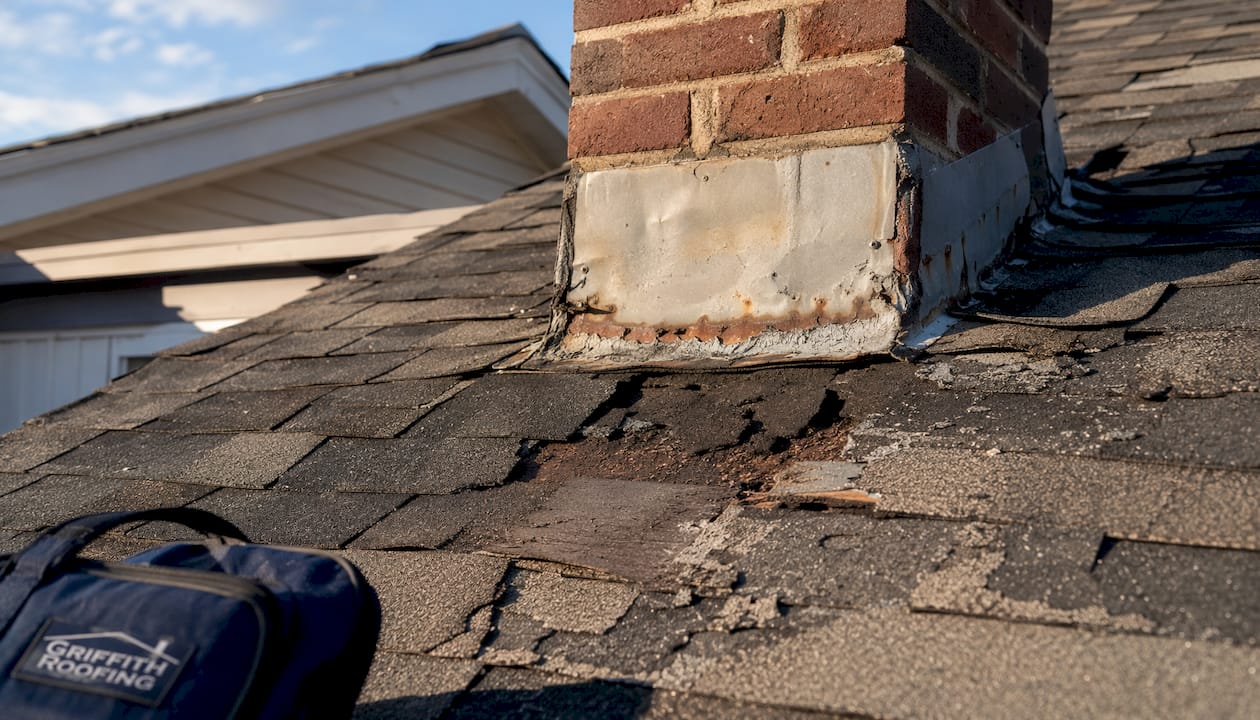
Worn or missing shingles are the most frequent finding. They may indicate storm damage, poor installation, or simply age. The inspector’s job is to tell you which one.
Flashing failures around chimneys, vents, and valleys cause more leaks than damaged shingles. Corroded or improperly sealed flashing is repairable, but the cost adds up quickly if multiple penetrations are affected.
Poor attic ventilation is the silent killer. Trapped heat and moisture cook shingles from below and rot the decking from within, often years before the damage shows on the surface.
Sagging decking or moisture staining in the attic signals water intrusion that may already be affecting structural components. This is the finding that most often justifies a price reduction rather than a simple repair credit.
When a roof has less than five years of estimated remaining useful life, that figure becomes a major financial factor in your purchase decision. A documented defect list gives your agent real numbers: request a closing credit equal to the repair estimate, negotiate a price reduction based on upcoming replacement cost, or require the seller to complete specific repairs before closing. For roofs with severe structural damage, the inspection findings give you legitimate grounds to exit under your contingency. Understanding the difference between a repair and a full replacement is worth reviewing before you negotiate. Griffith roofing’s guide on repair vs. replacement decisions walks through exactly how that call gets made.
Expert insights from Griffith roofing on pre-purchase inspections
At Griffith roofing, we have spent over two decades evaluating roofs across the Dallas-Fort Worth Metroplex, and the pattern we see most often is buyers who trusted the general home inspection and paid for it later. A brief visual check from the ground simply cannot catch sealant bond failure, decking moisture, or attic ventilation that falls short of manufacturer specs.
The document package matters as much as the inspection itself. Alongside the inspection report, buyers should request the original installation contract, any repair invoices, the manufacturer warranty with depreciation schedule and transferability terms, and the attic ventilation calculation. Sellers who cannot produce these documents are telling you something. That gap in documentation is itself a negotiating point, and in some cases, a reason to walk.
Pro Tip: Schedule your dedicated roof inspection within three to five days of the general home inspection. Combining both reports before your contingency deadline gives you the complete picture and the time to act on it. Waiting until the final days of the window leaves you no room to request a second opinion or get repair estimates.
Griffith roofing’s residential roofing services are built around exactly this kind of thorough, client-first evaluation. If an inspection reveals problems that need professional attention, whether a targeted repair or a full replacement, financing options are available to make the path forward manageable.
Buying a home is one of the largest financial decisions you will make. The roof above it deserves more than a ten-minute glance. Call Griffith roofing to schedule a professional evaluation and go into closing with confidence.
Key Takeaways
A dedicated roof inspection before buying a home is the single most effective way to uncover hidden defects, estimate remaining roof life, and build documented negotiating leverage before closing.
| Point | Details |
|---|---|
| Get a dedicated inspection | A general home inspector spends only 10–15 minutes on the roof; a HAAG-certified roofing specialist spends 60–90 minutes with attic access and specialized tools, performing hands-on checks and a detailed attic analysis. |
| Time it within contingency | Schedule within days of offer acceptance and receive the report at least 48 hours before your contingency deadline. |
| Budget a few hundred dollars | Inspection cost varies by roof size and complexity; always pay for an unbiased report rather than accepting a free contractor offer. |
| Under five years of life is a red flag | A roof with less than five years of estimated remaining useful life is a major financial factor that should influence your offer. |
| Documentation strengthens your position | Pair the inspection report with the installation contract, warranty transfer terms, and ventilation calculations for maximum negotiating leverage. |
FAQ
Should I get a roof inspection before buying a house?
Yes. A standard home inspection includes only a brief roof check, while a dedicated pre-purchase inspection provides a detailed written report with photographs, remaining life estimates, and repair costs you can use in negotiations.
What is the biggest red flag in a home inspection?
Active water intrusion, sagging decking, and widespread flashing failure are the most serious findings because they indicate structural damage that goes beyond simple shingle replacement and can cost tens of thousands of dollars to correct.
How much does a bad roof affect an appraisal?
A roof in poor condition can reduce the appraised value of a home or trigger lender-required repairs before a loan closes, which delays the transaction and shifts costs onto the seller or buyer depending on the contract terms.
What do they do during a roof inspection?
A professional inspector physically walks the roof, tests sealant bonds, takes moisture-meter readings on the decking through the attic, documents every penetration’s flashing condition, and delivers a written report with photographs and a remaining useful life estimate.


