

Texas roofs take a beating that homeowners in most other states never have to think about. Hail pummels shingles in spring, summer thunderstorms drive wind at 80 miles per hour, and the brutal heat cycle causes materials to expand and contract until they crack. Understanding the benefits of roofing warranty texas weather conditions create is not just reassuring. It is the first step toward protecting one of your biggest financial assets. The industry term you will hear from contractors is “roofing warranty coverage,” and knowing exactly what it does and does not protect against can save you thousands of dollars.
Table of Contents
- Key Takeaways
- 1. What “benefits of roofing warranty texas weather” actually means
- 2. Financial protection against unexpected repair costs
- 3. Peace of mind during Texas storm season
- 4. Insurance premium discounts through impact-resistant materials
- 5. Transferability and home resale value
- 6. Support when contractor workmanship disputes arise
- 7. Understanding the warranty versus insurance split
- 8. The ACV versus RCV trap and how warranties fill the gap
- 9. Filing timelines and documentation requirements
- 10. Comparing manufacturer warranties versus workmanship warranties
- My perspective on roofing warranties after 20+ years in Texas
- Protect your Texas roof with Griffith Roofing’s warranty-backed solutions
- FAQ
Key Takeaways
| Point | Details |
|---|---|
| Warranties cover defects, not storms | Roofing warranties protect against material and workmanship failures, while homeowner insurance covers weather damage. |
| Transferability adds resale value | A transferable warranty reduces buyer hesitation and can speed up your home sale in the Texas market. |
| Impact-resistant shingles save money | Class 4 shingles can qualify you for insurance discounts of 5% to 30% on your annual premium. |
| ACV policies can leave you exposed | A 15-year-old roof under an Actual Cash Value policy could yield only $4,000 on an $18,000 claim due to depreciation. |
| Documentation timing is critical | Texas insurers often require claims within 90 days to one year of storm damage to avoid denial. |
1. What “benefits of roofing warranty texas weather” actually means
Before you compare options, you need a clear picture of what a roofing warranty actually covers in a Texas context. The term gets used loosely, but there are two distinct types every homeowner should know.
A manufacturer’s warranty covers defects in the roofing material itself. If shingles crack, blister, or fail prematurely because of a production flaw, the manufacturer replaces them. A workmanship warranty covers installation errors made by your contractor. If flashing was improperly sealed and your attic leaks six months later, a workmanship warranty pays for the fix.
Here is what most warranties do not cover:
- Weather damage from hail, wind, or flooding
- Normal wear and tear over time
- Damage caused by lack of maintenance
- Pre-existing conditions at the time of installation
Pro Tip: Ask your contractor for the full written warranty document before signing anything. The exclusions section tells you far more than the headline coverage period does.
Warranty duration varies widely. Manufacturer warranties on premium shingles can run 30 to 50 years, while workmanship warranties from contractors typically range from 1 to 10 years. Transferability is another key variable. Transferable warranties allow coverage to pass to a new owner when you sell, which has real dollar value in a competitive Texas real estate market.
2. Financial protection against unexpected repair costs
A roof replacement in the Dallas-Fort Worth area runs anywhere from $8,000 to $20,000 depending on size and materials. When a manufacturing defect causes premature failure, that cost lands entirely on you without a warranty in place.
With a solid manufacturer’s warranty, the material replacement cost is covered. With a workmanship warranty, the labor to fix installation errors is covered too. That combination creates a genuine financial safety net that pays for itself many times over if something goes wrong.
Think of it this way: you would not buy a new car without a warranty. Your roof costs as much as a car and protects everything inside your home. The logic is the same.
3. Peace of mind during Texas storm season
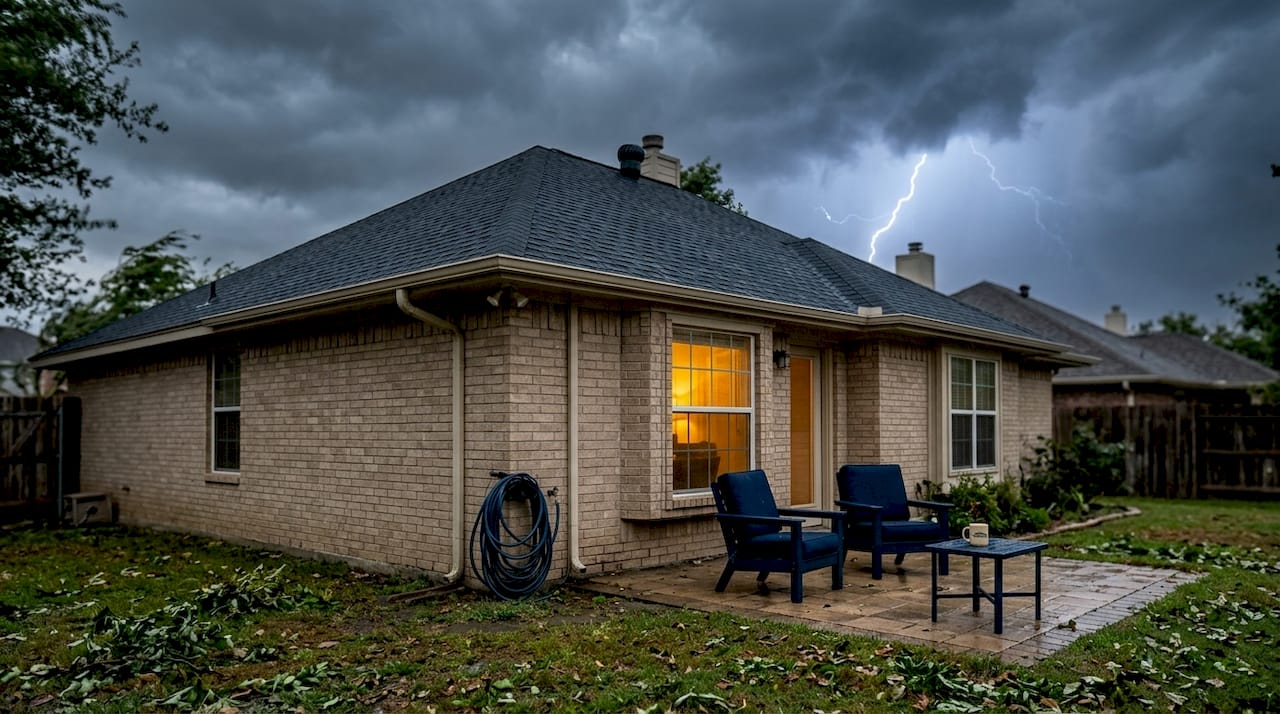
Texas weather impact on roofs is relentless. The DFW Metroplex sits in one of the most active hail corridors in the country. Knowing your roof was installed correctly and that materials meet manufacturer standards lets you sleep through a storm without mentally calculating repair bills.
This is not a soft benefit. Stress costs money too. Homeowners who understand their coverage make better decisions after a storm. They know what to file under insurance versus what falls under warranty, and they do not waste time or money filing the wrong claim.
4. Insurance premium discounts through impact-resistant materials
Here is a roofing warranty benefit most Texas homeowners overlook entirely. Upgrading to Class 4 impact-resistant shingles that meet UL 2218 standards does two things at once. It qualifies your roof for stronger manufacturer warranties, and it can trigger insurance discounts between 5% and 30% on your annual premium.
Over the lifespan of a roof, those savings can easily exceed the upgrade cost. A homeowner paying $3,000 per year in premiums who qualifies for a 20% discount saves $600 annually. Over 15 years, that is $9,000 back in your pocket. The best roofing warranties Texas contractors offer are often tied directly to these impact-resistant products.
5. Transferability and home resale value
When you sell your home, a transferable roofing warranty is a marketing asset. Buyers in Texas know what hail season looks like. They are nervous about roofs. A warranty that transfers to them removes a major objection and builds confidence.
Transferability reduces buyer hesitation and improves your home’s marketability, especially in a market where buyers are scrutinizing every line of the inspection report. Some certification programs, like the LeakFREE® program, provide 2 to 5 year guarantees specifically focused on leak prevention, which complements a standard manufacturer’s warranty nicely.
Always verify the transfer terms before listing your home. Some warranties require a transfer fee or formal notification to the manufacturer within a specific window. Missing that step can void the coverage entirely.
6. Support when contractor workmanship disputes arise
Without a workmanship warranty, you have very little recourse if your contractor’s installation causes problems six months later. With one, you have a written agreement that obligates the contractor to return and fix their errors at no cost to you.
This matters more in Texas than people realize. After major hail events, storm chasers flood the DFW market. These out-of-town contractors often offer low prices with minimal warranty protection. A short or nonexistent workmanship warranty is one of the clearest red flags you can spot before signing a contract.
7. Understanding the warranty versus insurance split
This is where Texas homeowners get tripped up most often. Warranties cover defects, not storm damage. Your homeowner’s insurance covers hail, wind, fallen trees, fire, and lightning. The two systems are designed to work together, not replace each other.
“Think of your warranty and your insurance policy as two separate shields. One guards against manufacturing and installation failures. The other guards against acts of nature. You need both to be fully protected.”
The Texas Department of Insurance confirms that insurance excludes wear and tear and gradual deterioration. That means an aging roof with no warranty and no covered peril event is entirely your financial responsibility.
8. The ACV versus RCV trap and how warranties fill the gap
Texas insurance policies come in two main flavors: Replacement Cost Value (RCV) and Actual Cash Value (ACV). RCV pays the full cost to repair or replace your roof minus your deductible. ACV deducts depreciation first, which can be devastating on an older roof.
A 15-year-old asphalt roof with a 20-year lifespan could be depreciated by 75%. An $18,000 roof replacement might generate only a $4,000 to $5,000 insurance payout under ACV. That gap is yours to cover. A warranty on the materials and workmanship does not fill the storm damage gap, but it does protect you from additional costs caused by defects on top of storm repairs. Understanding both systems together is the foundation of sound Texas roofing coverage planning.
9. Filing timelines and documentation requirements
Texas insurers often require claims within 90 days to one year of a storm event. Missing that window can result in a full denial. The same discipline applies to warranty claims. If you notice a defect and wait two years to report it, the contractor may argue the damage worsened due to neglect.
After any significant storm, do these four things:
- Take dated photographs of any visible damage from the ground.
- Call a licensed roofing contractor for a professional inspection.
- Contact your insurance company to open a claim before the deadline.
- Review your warranty documents to identify any defect-related issues separately.
Keeping these two tracks organized prevents costly confusion and protects both your insurance claim and your warranty rights.
10. Comparing manufacturer warranties versus workmanship warranties
| Feature | Manufacturer’s warranty | Workmanship warranty |
|---|---|---|
| What it covers | Material defects and premature failure | Installation errors by the contractor |
| Who backs it | The shingle or product manufacturer | The roofing contractor |
| Typical duration | 25 to 50 years (limited) | 1 to 10 years |
| Transferable | Often yes, with conditions | Varies by contractor |
| Impact-resistant options | Yes, Class 4 products available | N/A |
Pro Tip: The strongest protection comes from pairing a premium manufacturer’s warranty with a contractor who offers at least a 5-year workmanship warranty. One without the other leaves a gap.
Contractors who are certified installers for major manufacturers like GAF or Owens Corning can offer enhanced warranties that cover both materials and labor under a single agreement. These roofing warranty benefits are worth asking about specifically when getting estimates.
My perspective on roofing warranties after 20+ years in Texas
I have been in the roofing business in the DFW area since 2001, and I have seen the same scenario play out hundreds of times. A homeowner gets a new roof, skips the premium warranty upgrade to save $300, and two years later discovers a defect that costs $2,000 to fix out of pocket. The math never works in their favor.
What surprises me most is how often transferability gets ignored during the buying process. I have watched clients sell their homes faster and at better prices simply because they had a transferable warranty they could hand to the buyer. In a market where buyers are already nervous about Texas weather, that piece of paper carries real weight.
The other thing I push hard on is the insurance side of the equation. A warranty is not a substitute for understanding your insurance coverage gaps. I have seen homeowners assume their warranty covered hail damage and delay filing an insurance claim past the deadline. That is an expensive mistake. Know what each document covers, keep them both current, and review your insurance policy type. If you are on ACV, consider switching to RCV before the next storm season.
The roofs I feel best about are the ones where the homeowner went in with their eyes open: right materials, right warranty, right insurance. That combination does not just protect the roof. It protects the whole financial picture.
— Mark Griffith
Protect your Texas roof with Griffith Roofing’s warranty-backed solutions
At Griffith Roofing, we have spent over two decades helping DFW homeowners make smart roofing decisions before and after Texas storms. Our residential roofing services include impact-resistant material options backed by manufacturer warranties, plus workmanship guarantees that give you real protection. We also help you document damage properly and coordinate with your insurance company so nothing falls through the cracks. If you need repairs after storm damage, our roof repair team handles warranty claims and insurance coordination from start to finish. Contact us today for a free inspection and find out exactly what your roof needs to stay protected through every Texas season.
FAQ
What do roofing warranties typically cover in Texas?
Roofing warranties cover material defects from the manufacturer and installation errors from the contractor. They do not cover weather damage from hail or wind, which falls under homeowner’s insurance.
Are roofing warranties transferable when I sell my home?
Many manufacturer warranties are transferable to new owners, but transfer terms vary. Some require a fee or formal notification within a set timeframe, so review the details before listing your home.
How long does a roofing warranty last in Texas?
Manufacturer warranties on premium shingles typically run 25 to 50 years, while contractor workmanship warranties usually range from 1 to 10 years depending on the company.
Can a roofing warranty lower my insurance premiums?
Installing Class 4 impact-resistant shingles can qualify you for premium discounts of 5% to 30% with Texas insurers, which can exceed the upgrade cost over the life of the roof.
What happens if I miss the insurance claim deadline after storm damage?
Texas claim deadlines typically run from 90 days to one year after a storm event. Missing the window can result in full denial, leaving you responsible for all repair costs out of pocket.
Recommended
- Choosing the Best Roofing Material for North Texas Weather – Griffith Roofing
- How Much Does Insurance Pay for Roof Replacement in Texas 2026
- How Hail and Storms Impact Your Roof: What DFW Homeowners Need to Know – Griffith Roofing
- The Importance of Regular Roof Inspections in DFW’s Climate – Griffith Roofing


