

Roofing shingles are the overlapping panels that form the outermost protective layer of a residential roof, shielding your home from rain, wind, hail, and heat. The types of residential roofing shingles available today range from budget-friendly 3-tab asphalt to century-lasting natural slate, and each carries a different cost, lifespan, and performance profile. Architectural shingles dominate the market, covering over 75% of new residential roofs in the U.S. as of 2026. Knowing your options before you commit to a material is the difference between a roof that lasts 20 years and one that lasts 50.
1. What are architectural shingles and why are they the top choice?
Architectural shingles, also called laminate or dimensional shingles, are the gold standard for most residential roofs. They are built from multiple bonded layers of asphalt, which gives them a thick, textured profile that mimics the look of wood shake or slate. That layered construction is not just cosmetic. Premium laminated shingles use polymer-modified asphalt and mechanical layer-locking to improve tear strength and nailing reliability across the entire roof surface.
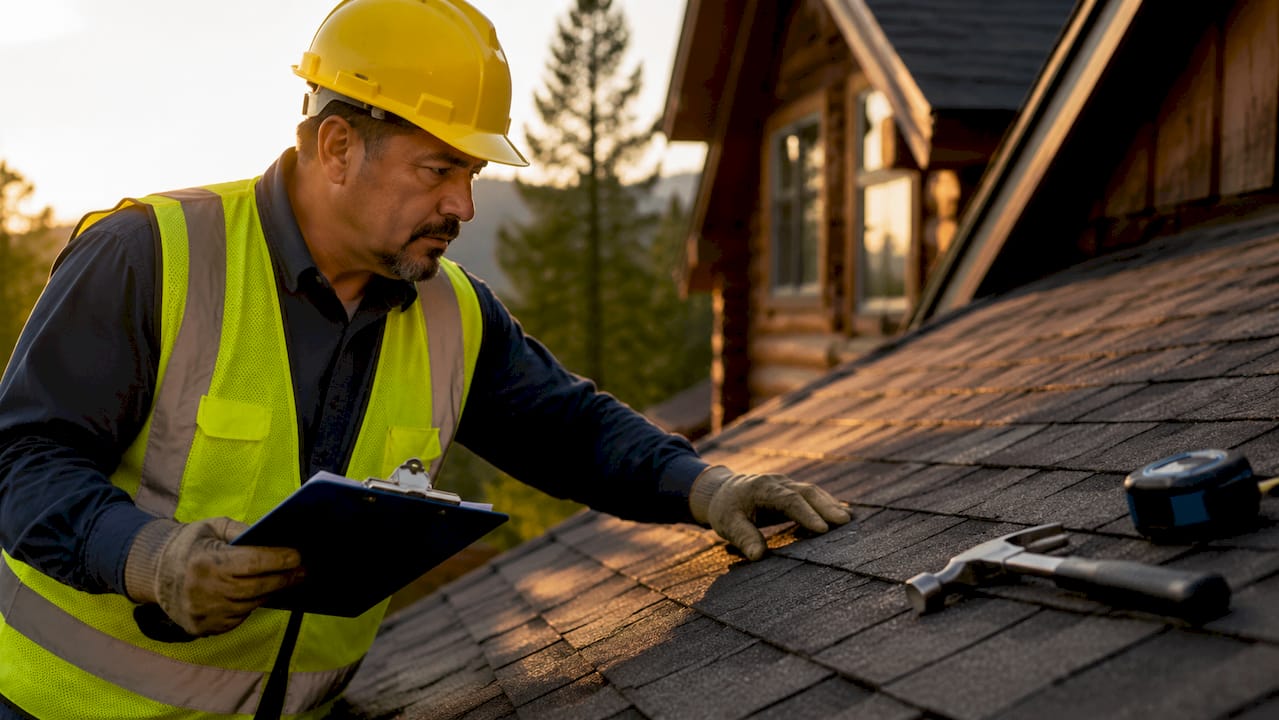
The performance numbers back up the popularity. Architectural shingles carry a lifespan of 30–50 years and wind resistance ratings of 110–130+ mph, making them well-suited for storm-prone regions like North Texas. Installed cost runs approximately $450–$700 per square (100 square feet). That price point is higher than 3-tab, but the extended lifespan makes the per-year cost competitive.
Popular product lines include GAF Timberline HDZ, CertainTeed Landmark, and Owens Corning Duration. Each carries manufacturer warranties of 30 years or more when installed by a certified contractor. Thicker shingles significantly improve resistance to hail, debris, and high winds, according to Consumer Reports testing.
- Lifespan: 30–50 years
- Wind rating: 110–130+ mph
- Installed cost: $450–$700 per square
- Top brands: GAF Timberline HDZ, CertainTeed Landmark, Owens Corning Duration
- Best for: Most residential homes, storm-prone climates, homeowners wanting long-term value
Pro Tip: Always use a manufacturer-certified installer. Certification unlocks the full warranty and confirms the contractor follows the nailing patterns and underlayment specs the product requires.
2. How do 3-tab shingles compare as a budget option?
3-tab shingles are the original flat, single-layer asphalt shingle that dominated American roofing for decades. Each strip has three evenly cut tabs, creating a uniform, low-profile appearance. They cost less upfront, with installed prices running approximately $350–$450 per square, but that savings comes with real trade-offs.
The lifespan of a 3-tab shingle tops out at 15–20 years. Their wind rating of 60–70 mph is the most critical limitation. A single severe thunderstorm in the Dallas-Fort Worth area can exceed that threshold, which is why 3-tab shingles are increasingly being phased out in storm-prone markets.
Local building codes based on ASCE 7 wind speed maps often make 3-tab shingles non-compliant in coastal and high-wind zones. That is not a technicality. It means your roof may fail an inspection or void a homeowner’s insurance claim after storm damage.
- Lifespan: 15–20 years
- Wind rating: 60–70 mph
- Installed cost: $350–$450 per square
- Best for: Rental properties, short-term projects, low-wind inland areas
- Avoid in: Coastal regions, hurricane zones, areas with active hail seasons
Pro Tip: If your contractor recommends 3-tab shingles for a primary residence in North Texas, ask them to show you the local wind zone compliance documentation first. In most DFW zip codes, architectural-grade shingles are the minimum smart choice.
3. What are luxury and designer shingles and when are they worth it?
Luxury shingles sit at the top of the asphalt shingle category. Brands like CertainTeed Presidential and GAF Grand Sequoia produce shingles that replicate the look of natural slate or hand-split wood shake with impressive accuracy. They are thicker and heavier than standard architectural shingles, and they carry lifespans of 30–50+ years.
The visual payoff is real. A luxury shingle can transform the curb appeal of a home and meaningfully increase resale value, particularly in higher-end neighborhoods where roofing aesthetics matter to buyers. Architectural shingles remain the best cost-performance balance for 90% of residential roofs, but luxury shingles serve the 10% where appearance is the primary driver.
The functional performance gain over a quality architectural shingle is modest. You are paying a premium largely for aesthetics and the prestige of a thicker product. Installation is also more complex and labor-intensive, which adds to the total project cost.
- Lifespan: 30–50+ years
- Top brands: CertainTeed Presidential, GAF Grand Sequoia
- Best for: High-value homes, historic neighborhoods, homeowners prioritizing curb appeal
- Key trade-off: Higher cost with limited performance gain over architectural shingles
4. Which impact-resistant shingles offer the best storm protection?
Impact-resistant shingles are engineered specifically to survive hail strikes and high-wind debris. The industry standard is the UL 2218 certification, which classifies shingles from Class 1 (least resistant) to Class 4 (most resistant). Class 4 shingles survive a 2-inch steel ball dropped from 20 feet without cracking.
Class 3 and Class 4 impact-resistant shingles may qualify for homeowner insurance premium discounts in hail-prone states, which can offset the higher upfront cost over time. Products like Malarkey NEX and Atlas StormMaster Shake carry Class 4 ratings and are widely used in Texas markets where hail season is a real financial risk.
Cool or reflective shingles are a related specialty category. They use granules that reflect solar energy rather than absorbing it, which reduces attic heat buildup and can lower summer cooling costs. Solar shingles, such as Tesla Solar Roof tiles, represent the most advanced end of this category, integrating energy generation directly into the roof surface.
- Certification to look for: UL 2218 Class 3 or Class 4
- Top products: Malarkey NEX, Atlas StormMaster Shake
- Insurance benefit: Potential premium discounts in hail zones
- Cool roof option: Reflective granule shingles reduce cooling costs
- Solar shingles: Generate electricity but carry a significantly higher price point
Pro Tip: Before selecting impact-resistant shingles for the insurance discount, call your insurance provider directly and ask for the specific discount amount in writing. Not every carrier offers the same benefit, and the savings vary by policy and location.
5. What alternative shingle materials go beyond asphalt?
Asphalt covers over 80% of U.S. homes, but alternative materials offer lifespans and aesthetics that asphalt cannot match. The trade-off is always cost and installation complexity.
Metal shingles last 40–70 years and handle wind, fire, and impact far better than asphalt. Stone-coated steel shingles, like those covered in Griffith roofing’s stone-coated metal shingle guide, combine the durability of steel with the appearance of traditional shingles. They cost significantly more than asphalt but require far less maintenance over their lifespan.
Natural slate lasts 75–150+ years and is one of the most beautiful roofing materials available. It is also one of the heaviest, requiring structural reinforcement in most homes. Clay and concrete tiles last 50–100 years and are common in Spanish-style and Mediterranean architecture. Both materials are brittle under foot traffic and require specialized installation.
Wood shingles and shakes offer a warm, rustic aesthetic and a moderate lifespan of 20–30 years with proper maintenance. They are not recommended in fire-prone areas unless treated with a fire-retardant coating.
| Material | Lifespan | Relative Cost | Best For |
|---|---|---|---|
| Metal shingles | 40–70 years | High | Durability, low maintenance |
| Natural slate | 75–150+ years | Very high | Longevity, premium aesthetics |
| Clay/concrete tile | 50–100 years | High | Mediterranean, Spanish styles |
| Wood shingles | 20–30 years | Moderate | Rustic aesthetics, dry climates |
| Asphalt (architectural) | 30–50 years | Moderate | Most residential homes |
If you are weighing North Texas roofing materials against climate demands, metal and impact-resistant asphalt are the two strongest performers for the DFW region.
Key takeaways
Architectural shingles are the best overall choice for most residential roofs, offering 30–50 year lifespans, 110–130+ mph wind resistance, and strong cost-to-performance value.
| Point | Details |
|---|---|
| Architectural shingles lead the market | They cover over 75% of new U.S. roofs and offer the best balance of cost, lifespan, and wind resistance. |
| 3-tab shingles have real limits | Their 60–70 mph wind rating makes them non-compliant in many storm-prone areas, including most of DFW. |
| Impact-resistant shingles can save money | UL 2218 Class 4 shingles may reduce insurance premiums in hail zones, offsetting higher upfront costs. |
| Alternative materials last longer | Metal, slate, and tile outlast asphalt by decades but require higher investment and specialized installation. |
| Installation quality drives longevity | A certified installer following manufacturer specs extends roof life beyond what the product alone can guarantee. |
What I’ve learned after 20+ years of roofing in North Texas
I have replaced thousands of roofs across the Dallas-Fort Worth area since 2001, and the single most consistent mistake I see homeowners make is choosing a shingle based on price alone. The cheapest option on the invoice is rarely the cheapest option over a 10-year period.
3-tab shingles are a perfect example. A homeowner saves $1,000–$2,000 upfront, then faces a full replacement in 15 years instead of 30. When you factor in labor, disposal, and the disruption of a second project, the math rarely works in their favor. Architectural shingles are not a luxury. For most DFW homes, they are the minimum sensible choice.
I also want to be direct about luxury shingles. CertainTeed Presidential and GAF Grand Sequoia are beautiful products, and I have installed them on homes where they made a real difference in resale value. But I would never tell a homeowner that a luxury shingle performs dramatically better in a hailstorm than a well-installed Class 4 architectural shingle. The performance gap does not justify the cost difference for most families.
The one area where I push homeowners to spend more without hesitation is impact resistance. North Texas gets pummeled by hail every spring. A Class 4 rated shingle is not a nice-to-have here. It is a financial decision. The potential insurance savings, combined with reduced repair frequency, make the upgrade pay for itself. Verify the insurance discount with your provider before you sign anything, but do not skip the conversation.
Finally, the brand on the shingle matters less than the person installing it. Proper installation can outperform even premium materials installed poorly. Hire a certified contractor who pulls permits, follows local wind zone codes, and stands behind their work.
— Mark Griffith
Ready to choose the right shingles for your home?
Griffith roofing has served homeowners across the Dallas-Fort Worth Metroplex since 2001, installing every major shingle type from standard architectural to Class 4 impact-resistant and stone-coated metal. We know which products hold up in North Texas weather and which ones leave homeowners calling for repairs two years later.
Whether you are replacing an aging roof or building new, our team will walk you through your options, explain the cost and performance trade-offs, and give you a straight answer on what your home actually needs. Explore our residential roofing services to see the full range of shingle options we install, or contact us directly for a free estimate. If budget is a concern, we also offer roof replacement financing to make the right choice accessible without compromise.
FAQ
What are the most common types of residential roofing shingles?
Asphalt shingles are the most common, covering over 80% of U.S. homes. Within that category, architectural (laminate) shingles are the dominant choice, followed by 3-tab and luxury designer shingles.
How long do architectural shingles last compared to 3-tab?
Architectural shingles last 30–50 years. 3-tab shingles last roughly 15–20 years, making architectural shingles the better long-term investment for most homeowners.
Are impact-resistant shingles worth the extra cost?
Yes, particularly in hail-prone regions like North Texas. UL 2218 Class 4 shingles can reduce insurance premiums and significantly lower repair frequency after severe weather.
What shingle type is best for high-wind areas?
Architectural shingles rated at 110–130+ mph are the minimum recommended choice for high-wind zones. Coastal and hurricane-prone areas require shingles rated at 110+ mph with strict nailing patterns per ASCE 7 wind speed maps.
Can I install any shingle type on my home?
Not always. Local building codes, roof pitch, and structural load capacity all affect which materials are permitted. Natural slate and clay tile require structural reinforcement in most homes, and some wind zones prohibit 3-tab shingles outright.


