What are the main types of residential skylights?
Residential skylights fall into three primary categories: fixed, ventilating, and tubular. Each serves a distinct purpose, and choosing the wrong one for your space is a mistake that costs you comfort and money long after installation day.
- Fixed skylights are sealed units that do not open. They admit natural light without any ventilation, making them the most popular choice in the U.S. due to lower cost and minimal maintenance. Best suited for high ceilings where access is limited.
- Ventilating skylights (also called roof windows) open manually or by electric motor to allow fresh air in alongside daylight. They are the go-to option for kitchens, bathrooms, and laundry rooms where moisture control matters.
- Tubular skylights channel sunlight down a highly reflective tube and diffuse it through a ceiling-mounted lens. They work exceptionally well in hallways, closets, and other tight spaces where a full-size skylight would be impractical.
Fixed skylights remain a very popular type because they remove the maintenance variable entirely. You never have to worry about whether you closed it before a storm rolls through.
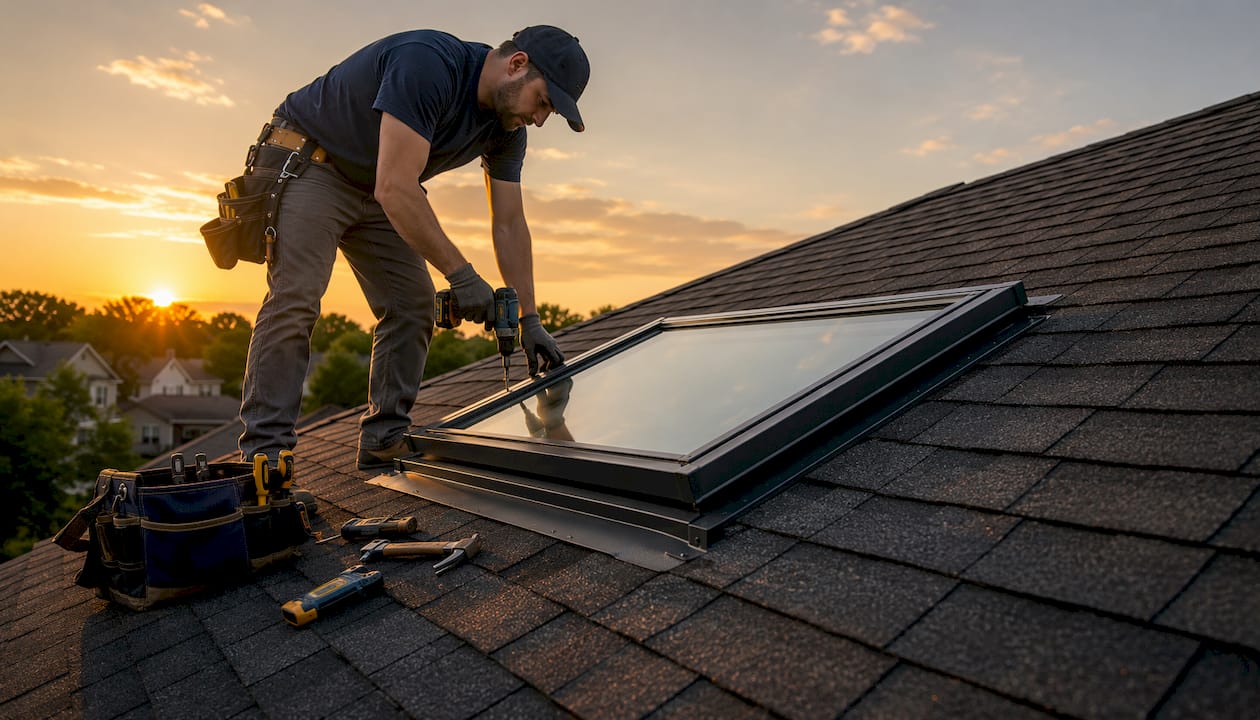
How each functional skylight type works in a real home
Understanding the mechanics behind each option helps you match the right skylight to the right room, not just the right budget.
Fixed skylights
Fixed skylights are the straightforward workhorses of residential daylighting. They are sealed permanently into the roof, so they provide light and a view of the sky without any moving parts to maintain or malfunction. Because they don’t open, they offer no humidity control, which is why they belong on high ceilings in living rooms, dining rooms, and bedrooms rather than moisture-heavy spaces.
- No mechanical components means fewer long-term repair costs
- Available in the widest range of sizes and glazing options
- Ideal for cathedral ceilings and vaulted spaces where ventilation isn’t a priority
Ventilating skylights
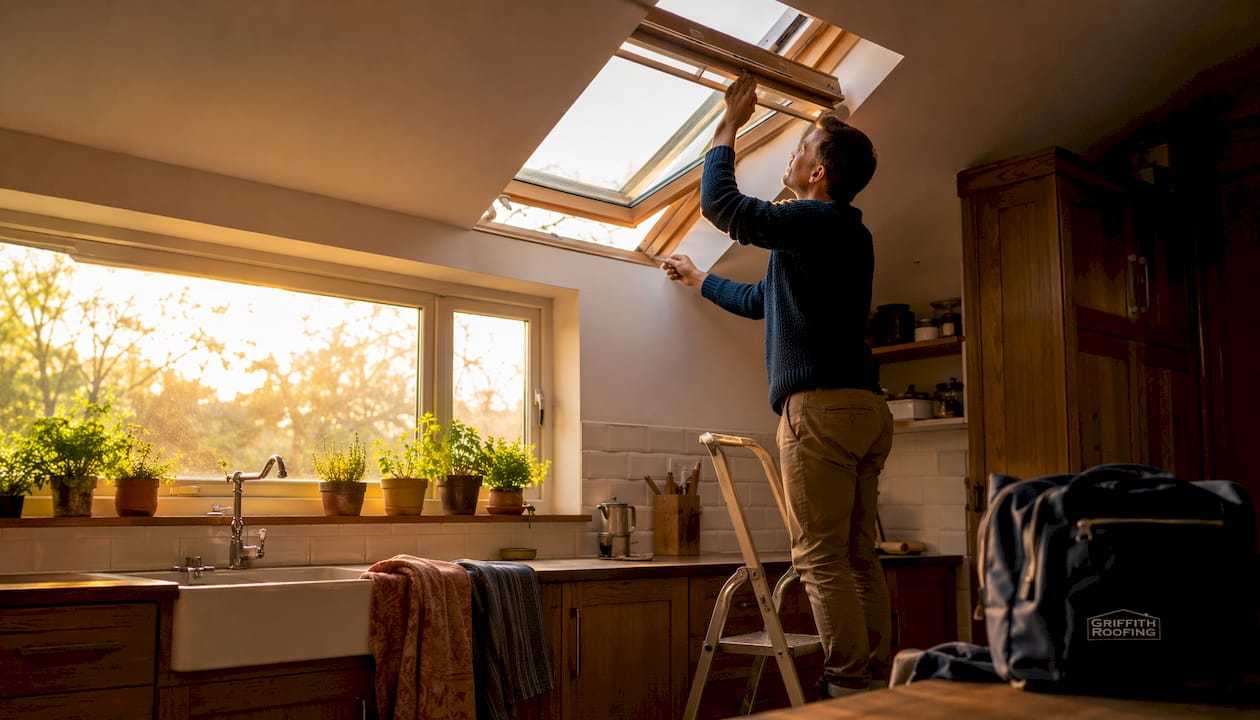
Ventilating skylights look nearly identical to fixed units from the outside, but they hinge open to exhaust heat and moisture. Manual models use a hand crank or pole, while electric models operate with a wall switch or remote. Some advanced units include moisture sensors that automatically close the skylight when rain begins.
- Manual operation suits lower ceilings where the crank is within reach
- Electric operation is the practical choice for high or hard-to-reach installations
- Particularly effective in kitchens and bathrooms where steam and odors accumulate
Pro Tip: If you’re installing a ventilating skylight above a kitchen range or shower, go electric. Reaching a manual crank while cooking or stepping out of a wet shower is a safety issue, not just an inconvenience.
Tubular skylights
Tubular skylights, sometimes called solar tubes, are a fundamentally different product from traditional skylight windows. A small dome on the roof captures sunlight, which travels down a rigid or flexible reflective tube and exits through a diffuser lens in the ceiling. Because the rooftop collector has a small surface area, tubular skylights minimize heat loss in winter and heat gain in summer, a thermal advantage that full-size units can’t match.
- Perfect for interior rooms with no exterior wall access
- Can fit between roof rafters and attic obstructions like wiring or HVAC ducts
- Some models include dimmers, exhaust fans, and UV filters
Electric and solar-powered ventilating skylights
Electric ventilating skylights connect to your home’s wiring and operate via switch, remote, or smart-home integration. Solar-powered models use a small panel mounted on the skylight frame to charge an internal battery, eliminating the need for electrical rough-in entirely. Both types can incorporate rain sensors for automatic closure. Solar-powered units tend to appeal to homeowners who want the convenience of motorized operation without the cost of running new electrical circuits through finished ceilings.
What materials and shapes should you choose?
The glazing material and physical shape of a skylight affect durability, light quality, and how well the unit handles Texas heat or a hailstorm.
Glazing materials
| Material | Durability | Weight | Hail Resistance | Notes |
|---|---|---|---|---|
| Tempered glass | High | Heavier | Good | Clearer view, scratch-resistant |
| Laminated glass | Very high | Heaviest | Excellent | Stays intact if cracked |
| Acrylic (plastic) | Moderate | Light | Good when domed | Can yellow or scratch over time |
| Polycarbonate | High | Light | Very good | Common in commercial applications |
Glass glazing delivers the clearest view and resists scratching, but it costs more and adds weight to the roof structure. Acrylic is lighter and less expensive, though it can yellow with prolonged UV exposure. Low-E coatings on glass help regulate heat gain and loss, which is a meaningful advantage in climates with extreme summers or cold winters.
- Single-pane units are the least expensive but offer poor insulation
- Double-pane (insulated) units hold up longer and perform better thermally
- Non-rectangular skylights almost always use plastic glazing; higher-end versions use glass
Skylight shapes
Skylight and shaft designs directly influence how daylight penetrates a room and the architectural character it creates indoors.
- Flat: Follows the roof pitch; the most common and cost-effective shape
- Domed: Projects upward in a rounded curve; typically acrylic and well-suited to flat or low-slope roofs
- Arched/barrel vault: Curved glass creates a dramatic interior effect; requires custom framing
- Pyramidal: Square or rectangular base rising to a peak; makes a strong architectural statement but captures less light than a flat unit of the same footprint
- Polygon: Octagonal, hexagonal, or triangular shapes for a distinctive custom look
Pyramidal, arched, and domed shapes allow light to enter from more extreme angles than flat units, which can be a real advantage on north-facing roof sections where the sun stays low.
Why should you consider skylights for your home?
Skylights do more than look good. They deliver measurable functional benefits that affect your energy bills, your air quality, and how a room actually feels to live in.
- Daylighting reduces electric lighting costs: Paired with daylight-responsive controls, skylights can cut lighting energy use by 20%–80%.
- Ventilating types improve air quality: Opening a roof window exhausts cooking odors, bathroom moisture, and stale air faster than a wall window at the same size.
- Passive solar heating: South-facing skylights provide the greatest potential for winter heat gain, reducing heating load on cold days.
- Perceived space: Rooms with overhead natural light feel larger and more open, a consistent finding among real estate professionals and interior designers alike.
- Mood and well-being: Natural light exposure during the day supports circadian rhythm regulation, which affects sleep quality and daytime alertness.
- Environmental benefit: Less reliance on artificial lighting means a smaller carbon footprint, particularly relevant for homeowners pursuing green building certifications.
One orientation note worth remembering: north-facing skylights deliver consistent, soft light year-round without the overheating risk that south-facing units carry in summer. East-facing units flood a room with morning light; west-facing ones bring afternoon warmth.
Installation and maintenance: what every homeowner needs to know
Skylights are roof penetrations. That framing matters, because it sets the right expectation: a skylight installed carelessly is a leak waiting to happen, not a question of if but when.
Structural and placement requirements
Structural assessment before installation is non-negotiable. The roof deck must handle the added load of the skylight unit, its frame, and any snow or wind load your climate demands. Skipping this step risks long-term damage to the roof structure, not just the skylight itself.
Placement on the roof affects both performance and comfort. A skylight positioned directly above a seating area in a hot climate can create an uncomfortable heat spot without proper glazing. Orientation, as noted above, shapes the thermal and lighting character of the room year-round.
Flashing and sealing
Improper flashing and sealing is the leading cause of long-term leaks and structural damage, not the skylight product itself. A skylight can be a top-tier unit and still leak within two years if the flashing is cut short or the sealant is applied carelessly.
Curb-mounted skylights sit elevated above the roof surface on a raised frame, which keeps water from pooling at the base. Deck-mounted units sit flush with the roof and require precise integration with the surrounding roofing material. For flat or low-slope roofs, curb-mounted is generally the safer choice. Proper flashing and sealing practices are what separate a skylight that performs for decades from one that causes a ceiling stain after the first heavy rain.
Pro Tip: Schedule a visual inspection of your skylight’s flashing and seals every spring and fall. Catching a cracked seal early costs almost nothing to fix. Catching it after water has tracked into the wall cavity costs considerably more.
Ongoing maintenance tasks
Routine seal and flashing inspections extend skylight lifespan and prevent leaks, even on units that were installed perfectly. Maintenance is not optional; it is the reason a well-installed skylight lasts decades instead of years.
- Clean the glazing surface twice a year to remove debris, algae, and dirt that reduce light transmission
- Inspect the interior diffuser on tubular skylights for dust buildup, which dims output noticeably
- Check caulking and seals around the frame after any major storm
- Verify that the flashing has not lifted or separated at the edges
Potential drawbacks of each skylight type
Every skylight type carries trade-offs. Knowing them upfront prevents buyer’s remorse after the crew has left.
Fixed skylights offer no ventilation, full stop. In rooms that generate heat or moisture, a fixed unit does nothing to help air quality. They also require professional cleaning since they are typically installed on high ceilings out of easy reach.
Ventilating skylights cost more than fixed units, both to purchase and to install. Electric models add wiring complexity. If the motor or sensor fails, you may find the unit stuck open during a rainstorm, which is a stressful situation that requires a service call.
Tubular skylights cannot provide a view of the sky, which matters to homeowners who want that connection to the outdoors. Their light output, while efficient, is diffused and soft rather than direct, so they don’t work as a focal point the way a large glass skylight does. They also perform best in sunny climates; in consistently overcast regions, their output drops noticeably.
Domed acrylic units are prone to yellowing and surface crazing over time, particularly in high-UV environments like Texas. Once the acrylic hazes, light transmission drops and the unit looks worn from the inside.
All skylights carry some risk of condensation on the interior glazing surface during cold weather, particularly single-pane units. Double-pane insulated glazing reduces this significantly but does not eliminate it entirely in extreme cold. Proper interior ventilation helps manage residual condensation.
Key Takeaways
Skylights add real value to a home when the right type is matched to the right space and installed with precision.
| Point | Details |
|---|---|
| Three primary types | Fixed, ventilating, and tubular skylights each serve different rooms and needs. |
| Daylighting energy savings | Daylight-responsive controls paired with skylights can reduce lighting energy use by 20%–80%. |
| Flashing is the critical factor | Improper flashing and sealing is the leading cause of skylight leaks, not the unit itself. |
| Orientation shapes performance | South-facing skylights maximize winter heat gain; north-facing deliver consistent, cool light year-round. |
| Maintenance extends lifespan | Routine seal and flashing inspections prevent leaks and protect the roof structure long-term. |
FAQ
What are the different types of roof skylights?
The three main types are fixed (sealed, light only), ventilating (opens for airflow, manual or electric), and tubular (reflective tube that channels light into small spaces). Each suits different rooms and performance needs.
What type of skylight is best for most homes?
Fixed skylights are the most popular choice for general use because they cost less, require minimal maintenance, and work well on high ceilings. Ventilating skylights are the better option for kitchens and bathrooms where moisture control is a priority.
What is a good alternative to skylights?
Sun tunnels (a variation of tubular skylights) and solar tubes are the closest alternatives for bringing natural light into interior rooms without the structural complexity of a full skylight installation. They work especially well in spaces where a traditional unit won’t fit.
What does a skylight installation typically cost?
Skylight installation costs vary based on unit type, glazing, roof pitch, and labor in your area. Tubular skylights are generally the least expensive to install; custom or electric ventilating units with new framing sit at the higher end. Getting a quote from a licensed roofing contractor gives you the most accurate figure for your specific roof.
Ready to add a skylight to your home? Griffith roofing has served Dallas-Fort Worth homeowners for many years, handling everything from residential roofing installations to full skylight integration with proper flashing and structural assessment. If you want the job done right the first time, contact Griffith roofing for a consultation.