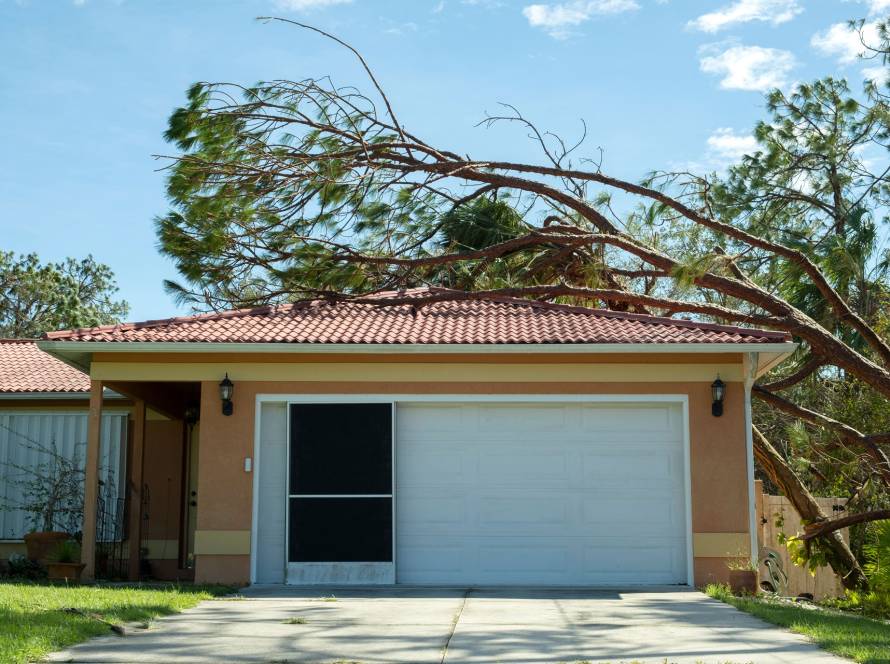

When it comes to protecting your North Texas home, your roof is your first and most critical line of defense. The Dallas-Fort Worth (DFW) area is renowned for its rapidly changing weather—scorching summers, sudden hailstorms, high winds, and the occasional freeze. With such extremes, choosing the right roofing material is not just a matter of style or cost; it’s a vital decision that impacts your home’s durability, comfort, and value. In this blog, we’ll explore the most popular roofing materials, their pros and cons, and which options best stand up to North Texas’s demanding climate.
Understanding North Texas Weather Challenges
Before diving into material options, it’s important to understand the unique weather threats your roof will face in the DFW area:
- Intense Sun and Heat: Summer temperatures regularly exceed 100°F, causing some materials to fade, crack, or lose effectiveness over time.
- Hail and High Winds: North Texas sits in the heart of “Hail Alley,” with frequent severe storms and damaging gusts.
- Heavy Rain and Flash Flooding: Sudden downpours can exploit even the smallest vulnerabilities in your roofing system.
- Occasional Snow and Ice: While rare, winter weather can cause expansion, contraction, and ice damming that damage roofs.
With these factors in mind, let’s examine the roofing materials that excel in North Texas.
Popular Roofing Materials for North Texas
1. Asphalt Shingles
Asphalt shingles are the most common roofing material in the U.S.—and for good reason.
- Pros: Affordable, easy to install, wide variety of colors and styles, and moderate durability.
- Cons: Standard shingles can be prone to wind uplift and hail damage.
- Best For: Homeowners on a budget or those looking to match neighborhood aesthetics.
- Tip: For DFW, consider impact-resistant shingles, which are specifically designed to withstand hail and high winds.
2. Metal Roofing
Metal roofing is gaining popularity across Texas for its durability and modern look.
- Pros: Extremely long-lasting (40-70 years), reflects solar heat (helping with cooling costs), sheds rain and snow efficiently, and is highly resistant to hail and wind.
- Cons: Higher upfront cost, may be noisier during storms without proper insulation.
- Best For: Homeowners seeking longevity, energy efficiency, and maximum weather protection.
3. Clay and Concrete Tiles
These tiles are often seen on Mediterranean or Spanish-style homes.
- Pros: Fireproof, highly durable, resilient against sun and heat, and long-lasting.
- Cons: Heavy (may require roof reinforcement), expensive, can be brittle and vulnerable to hail impact.
- Best For: Homes with the structural support for heavy materials and homeowners who want a distinctive, upscale look.
4. Slate Roofing
Slate is a natural stone product that exudes elegance and offers decades—sometimes centuries—of protection.
- Pros: Unmatched durability, fireproof, and beautiful natural appearance.
- Cons: Very heavy, extremely costly, requires specialized installation, and can be brittle (risk of hail damage).
- Best For: Historic or luxury homes where cost is less of a concern and structure can support the weight.
5. Synthetic Roofing (Composite, Rubber, Polymer)
Modern synthetic roofing materials are engineered to mimic the look of slate, wood, or tile—often with superior durability.
- Pros: Lightweight, impact-resistant, weather-resistant, lower maintenance, and available in many styles.
- Cons: Higher initial cost than asphalt, but often less expensive than real slate or tile.
- Best For: Homeowners who want a balance of durability, appearance, and lower weight.
6. Wood Shingles and Shakes
Though less common in North Texas, wood roofing is still chosen for its natural beauty.
- Pros: Attractive, natural insulation properties.
- Cons: Susceptible to fire (unless specially treated), vulnerable to rot, insects, and hail, higher maintenance.
- Best For: Homes where aesthetics are a priority and local codes allow.
Key Factors to Consider When Choosing Your Roof
1. Durability and Impact Resistance
Given North Texas’s hail and wind, select a material rated for impact resistance (look for Class 4 rating). Impact-resistant asphalt, metal, and synthetic options often fare best.
2. Heat Reflection and Energy Efficiency
Roofing materials that reflect sunlight—like metal and light-colored composites—can help keep your home cooler and lower energy bills in the summer heat.
3. Weight and Home Structure
Ensure your home can support the weight of heavier materials like tile or slate. Consult with your roofing contractor to avoid structural issues.
4. Maintenance Needs
Some materials (like wood) require more upkeep than others. Consider your willingness and ability to maintain your roof over the years.
5. Longevity and Warranty
Investing in a longer-lasting material can save money in the long run. Compare warranties and projected lifespans.
6. Local Building Codes and HOA Rules
Some neighborhoods and homeowners associations have restrictions on roofing materials and colors. Always check before making your selection.
Top Recommendations for North Texas Homes
Based on climate and performance, impact-resistant asphalt shingles, standing seam metal roofing, and high-quality synthetic tiles are often the best choices for the DFW area. Here’s why:
- Impact-resistant asphalt shingles provide a cost-effective, resilient option for most homes.
- Metal roofing offers unmatched longevity and energy efficiency, ideal for those who want to “install it and forget it.”
- Synthetic options give the appearance of luxury materials like slate or tile without the weight or fragility.
Why Professional Guidance Matters
Choosing a roofing material isn’t a one-size-fits-all decision. A professional roofing contractor, like Griffith Roofing, understands the nuances of North Texas weather and can recommend the best materials for your specific home, budget, and needs. Professionals will ensure proper installation—a critical factor in how your roof performs under stress.
Final Thoughts
Your roof is more than just a finishing touch on your home—it’s a shield against the ever-changing North Texas elements. By understanding your options and working with a trusted local roofer, you can choose a material that offers peace of mind, beauty, and long-term value. Don’t leave your most important investment to chance; make an informed decision today and enjoy protection for years to come.
Ready to explore your roofing options? Contact Griffith Roofing for expert advice and a free consultation. Your home deserves the very best!